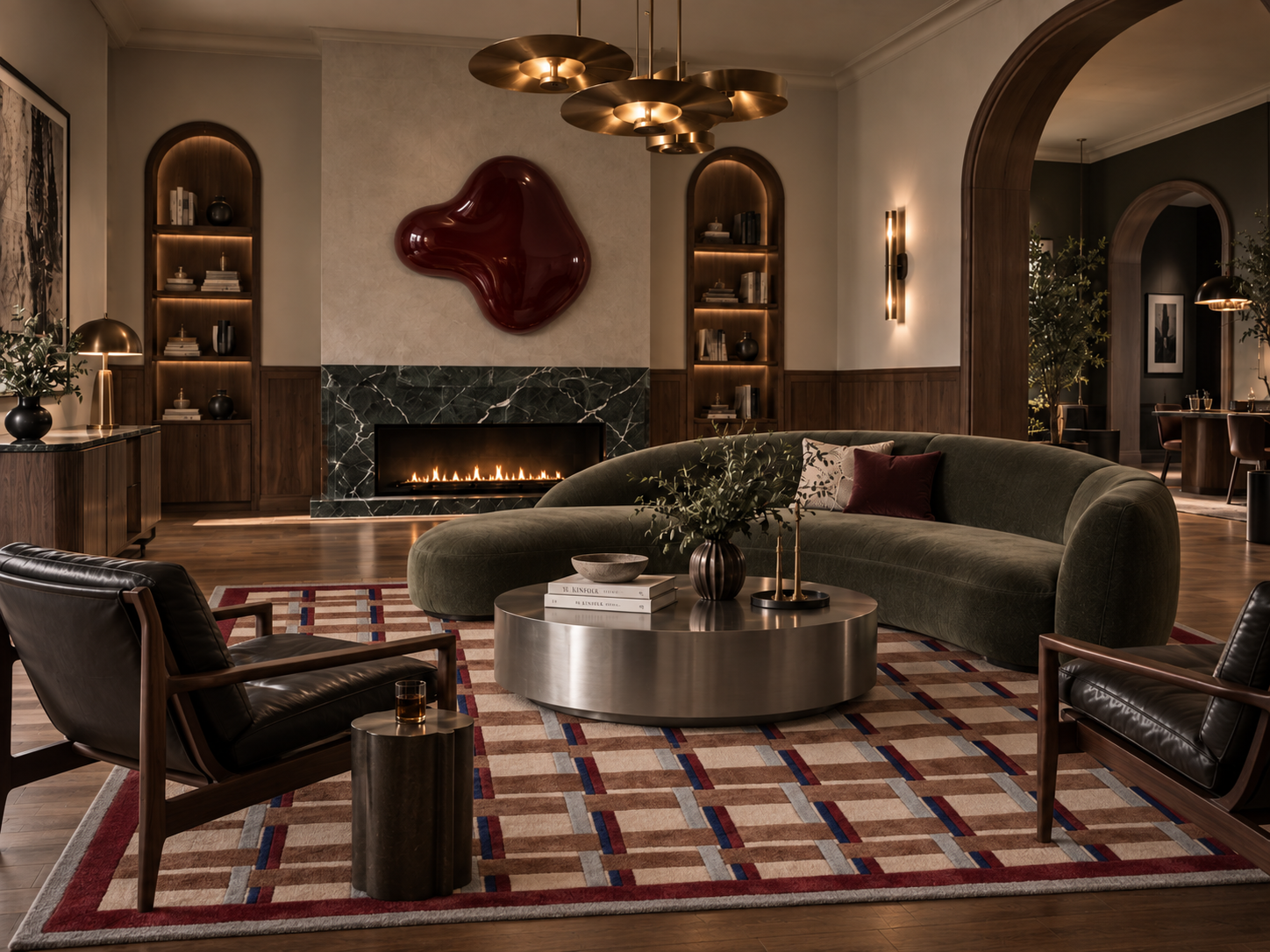


The relationship between an experience and interior design is both profound and symbiotic. Spaces are not passive backdrops; they actively shape how people feel, behave, and connect. In hospitality, retail, or residential design, interior spaces become vessels for memory—they evoke emotions, shape narratives, and anchor moments in time. A well-conceived design doesn’t just organize a space; it orchestrates a multisensory choreography that invites a guest to participate fully in their surroundings.
When we speak of memorable experiences, interior design is the silent architect behind every interaction. Take a boutique hotel lobby: the interplay of natural light, tactile materials, and spatial layout can evoke a sense of wonder and comfort the moment a guest steps inside. Every element—the scale of furnishings, the rhythm of pathways, the color palette—acts as a cue, guiding guests into a narrative where they feel cared for, inspired, and engaged. In retail spaces, too, a design narrative—through carefully selected textures, ambient sound, and human-centric layouts—can turn a simple browse into a personalized discovery.
Spaces that foster memorable quality are those that engage all the senses in harmony. Sound design can subtly alter pace; a gentle soundtrack can slow guests, while a lively tempo energizes a crowd. The choice of materials—rich wood, cool stone, or plush fabrics—creates a tactile map that anchors memory to physical sensation. Even the spatial configuration—whether open and flowing or segmented and intimate—dictates how a guest moves, pauses, and lingers. In this way, interior design is not merely decorative; it is a strategic tool, weaving a sense of story into every corner. Ultimately, when spaces are designed to foster a memorable quality, they transcend mere function; they become catalysts for connection, reflection, and enduring impact.