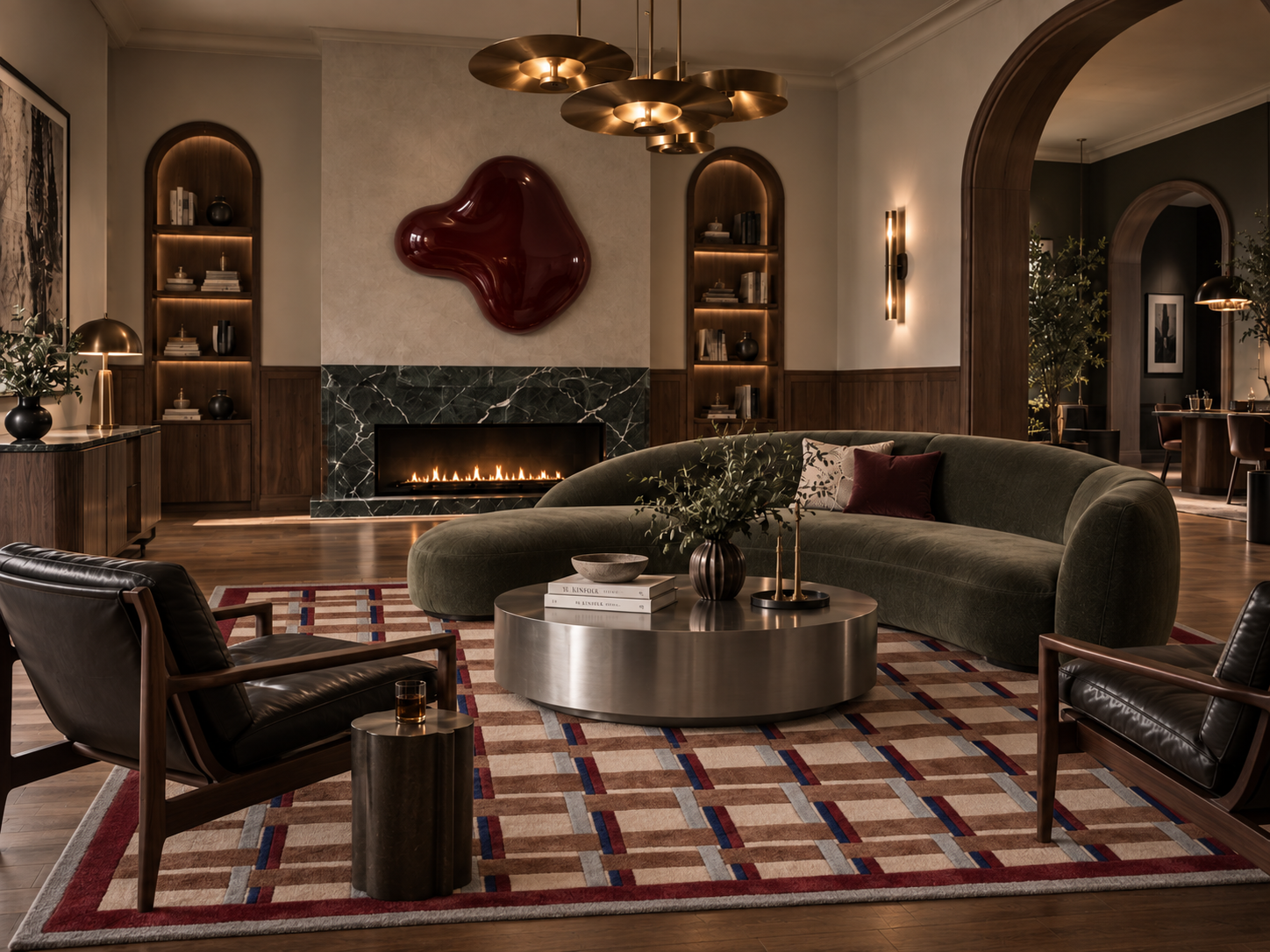

Lighting is one of the most powerful tools in hospitality design, shaping not just how a space looks, but how it feels and influences the people who experience it.
As a designer specializing in restaurants, clubs, lodges, and hotels, I’ve seen how different types of lighting transform environments and evoke distinct moods. In this post, I’ll explore ambient, task, and accent lighting, delve into light quality, and unpack how color temperature and brightness impact both mood and function.
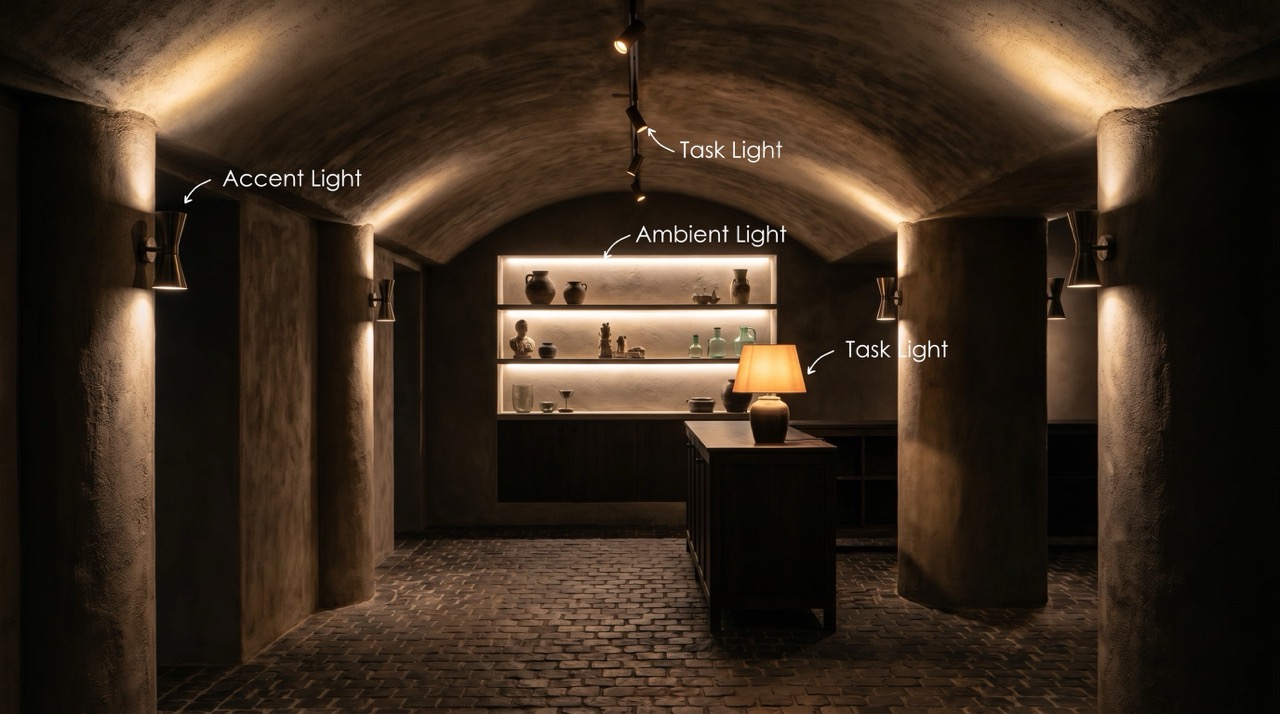
At the foundation of any well-designed space is ambient lighting—this is the overall illumination that fills a room, offering a soft, even glow. Think of it as the foundation on which other lighting layers build. In a restaurant, ambient lighting could come from hidden LED strips, pendant lights, or well-placed chandeliers—setting a calm, inviting tone.
Next, task lighting is all about precision. It focuses on specific activities, like reading menus in a dimly lit lounge or preparing food at a kitchen counter. In clubs, it might be spotlighting the DJ booth or a dance floor. Task lighting should be crisp, functional, and never overwhelming.
Then we have accent lighting, which adds drama. Whether it's highlighting an artwork in a boutique hotel or spotlighting an architectural feature, accent lighting creates focus, depth, and intrigue.
Beyond the types, light quality is vital—natural, diffused light is often more calming than harsh, direct lighting. And the color temperature—measured in Kelvin—plays a key role in mood. Lower Kelvin values (around 2700K) produce warm, cozy settings—perfect for intimate dining. Higher Kelvin values (5000K or above) evoke daylight, energizing a co-working space or a lively lounge.
Finally, brightness is a silent director. A dimly lit corner can invite relaxation, while a bright, well-lit bar area sparks energy and socialization. By thoughtfully layering ambient, task, and accent lighting, adjusting color temperatures, and controlling brightness, we craft experiences. In hospitality, lighting is never just a fixture—it’s a language that whispers comfort, excitement, and belonging to every guest.