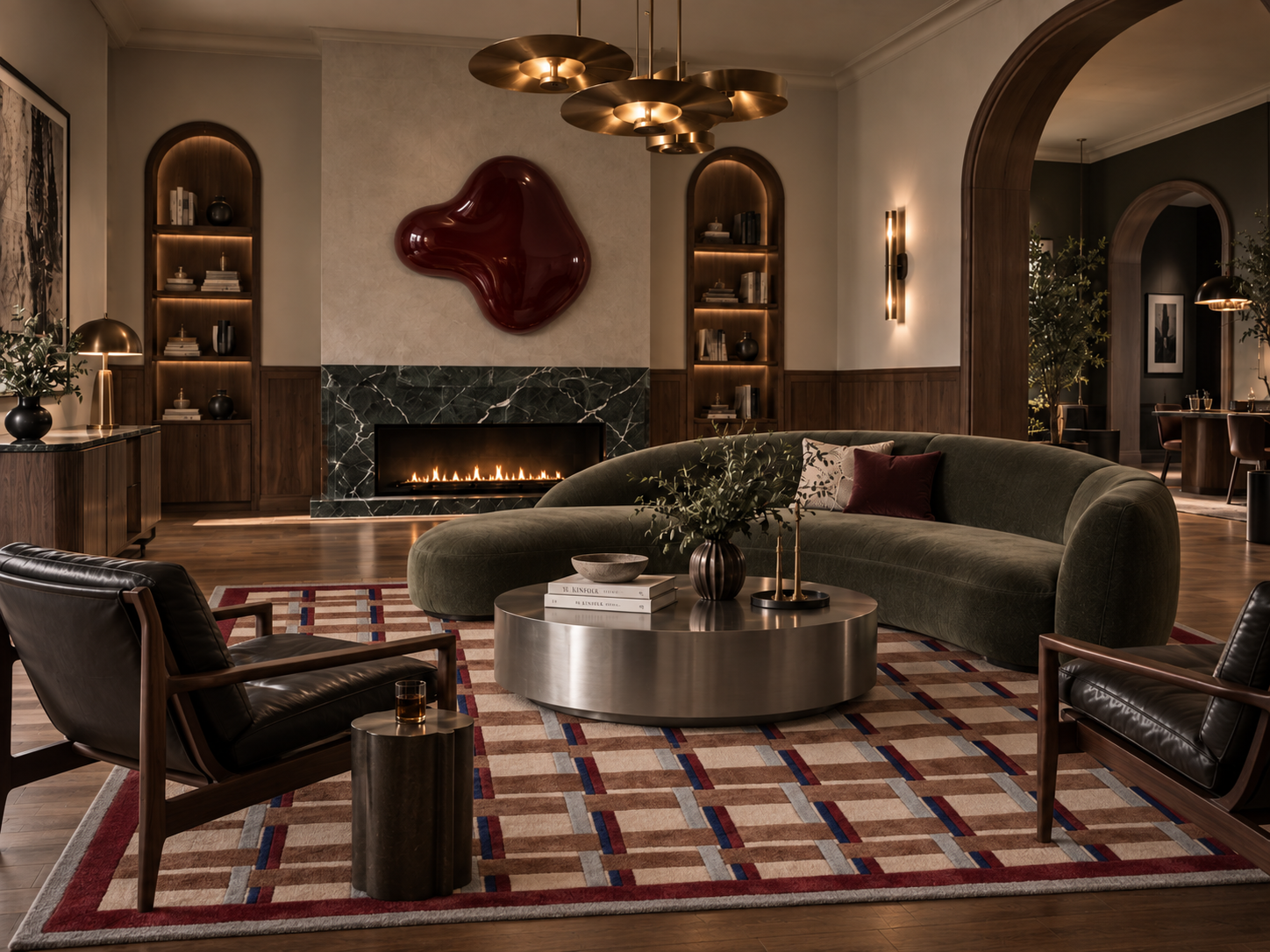
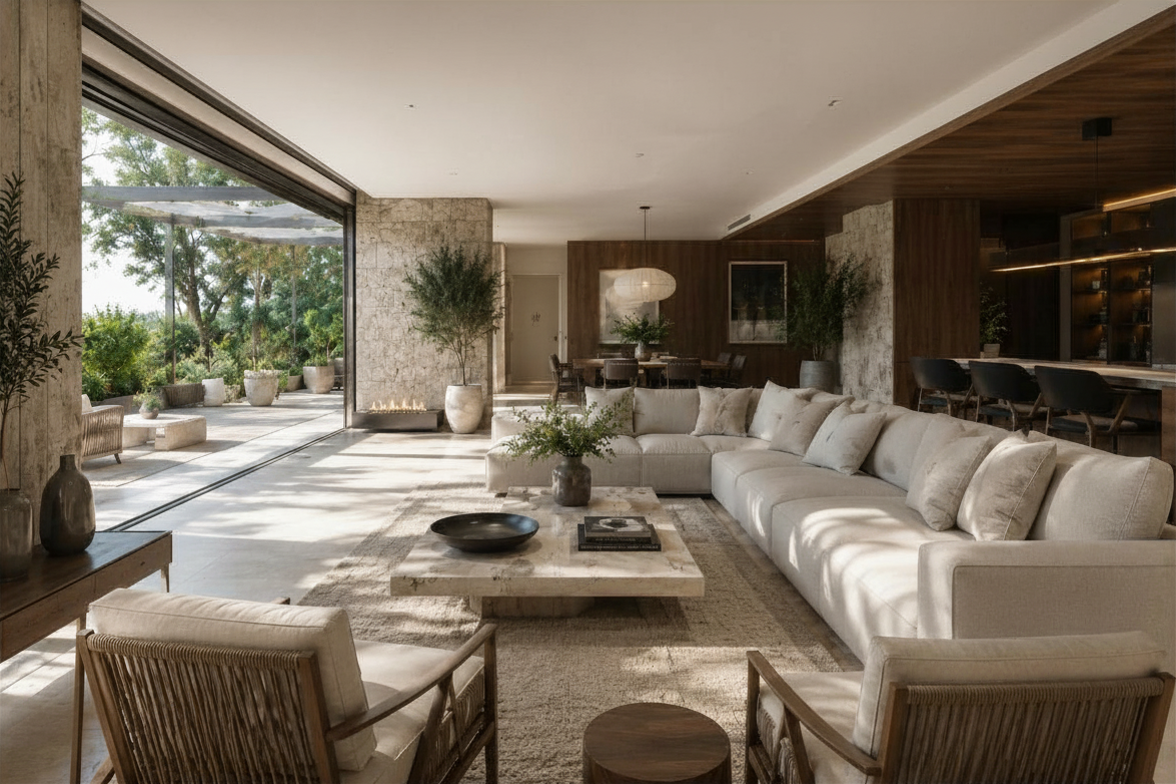

There is something about walking into a luxury hotel that goes beyond beautiful interiors. It is the lighting, the materials, the acoustics, the scent in the air, and the effortless way the space seems to anticipate your needs before you even ask. The experience feels considered from the moment you arrive, and that feeling often lingers long after you have checked out.
What makes exceptional hospitality spaces memorable is rarely a single decorative feature. The success lies in the orchestration of countless small decisions: a refreshment station stocked with a guest’s preferred milk, towels warmed and scented, intuitive circulation, layered lighting that shifts from morning brightness to evening calm, and furniture that feels immediately comfortable. Nothing feels generic because every detail is designed to support a particular experience.
Over the past decade, residential interiors have increasingly absorbed these hospitality principles. Homeowners are no longer asking only for a beautiful living room or a fashionable kitchen; they are asking for homes that function as personal retreats. International hospitality design research has consistently shown a move toward experience-driven environments, and that same mindset is now shaping private homes. The contemporary residence is expected to support wellbeing, ease, ritual, and emotional comfort in much the same way a luxury hotel suite does.
This shift marks an important change in the role of interior design. Residential projects are becoming less about displaying taste and more about creating a holistic lifestyle. Designers are thinking beyond finishes and furniture to consider how a person wakes up, prepares coffee, stores belongings, entertains friends, works from home, and unwinds at the end of the day.
One of the clearest areas where hospitality has influenced residential design is personalization. Boutique hotels have long understood that guests remember spaces that feel tailored to them. In homes, this has translated into bespoke joinery, custom storage, and highly individualized detailing. A drawer designed specifically for coffee pods with a concealed bin compartment next to it, a wardrobe section proportioned for size 6 Giavanito Rossi Shoes, or lighting inspired by a childhood memory of a poplar tree are not simply luxuries; they are examples of design responding to a real person rather than an abstract trend.
Ergonomics has become equally important. Hospitality designers routinely adjust furniture dimensions to improve comfort for different users, and residential clients are beginning to expect the same level of consideration. A taller homeowner may require a sofa with a higher seat height to stand up comfortably, while another client may need a kitchen planned around specific cooking habits or mobility requirements. These decisions are subtle, yet they profoundly affect how a space is experienced every day.
The convergence of hospitality and residential design is therefore not a passing trend; it represents a broader cultural shift toward experience-led living. As our homes take on more roles—sanctuary, workplace, social hub, wellness retreat, and place of restoration—the hospitality industry provides a powerful model for how interiors can respond with generosity, sensitivity, and intention.
A successful home today is not one that looks like a hotel. It is one that delivers the same feeling that the best hotels do: a sense that every detail has been thoughtfully designed for the person who lives there.